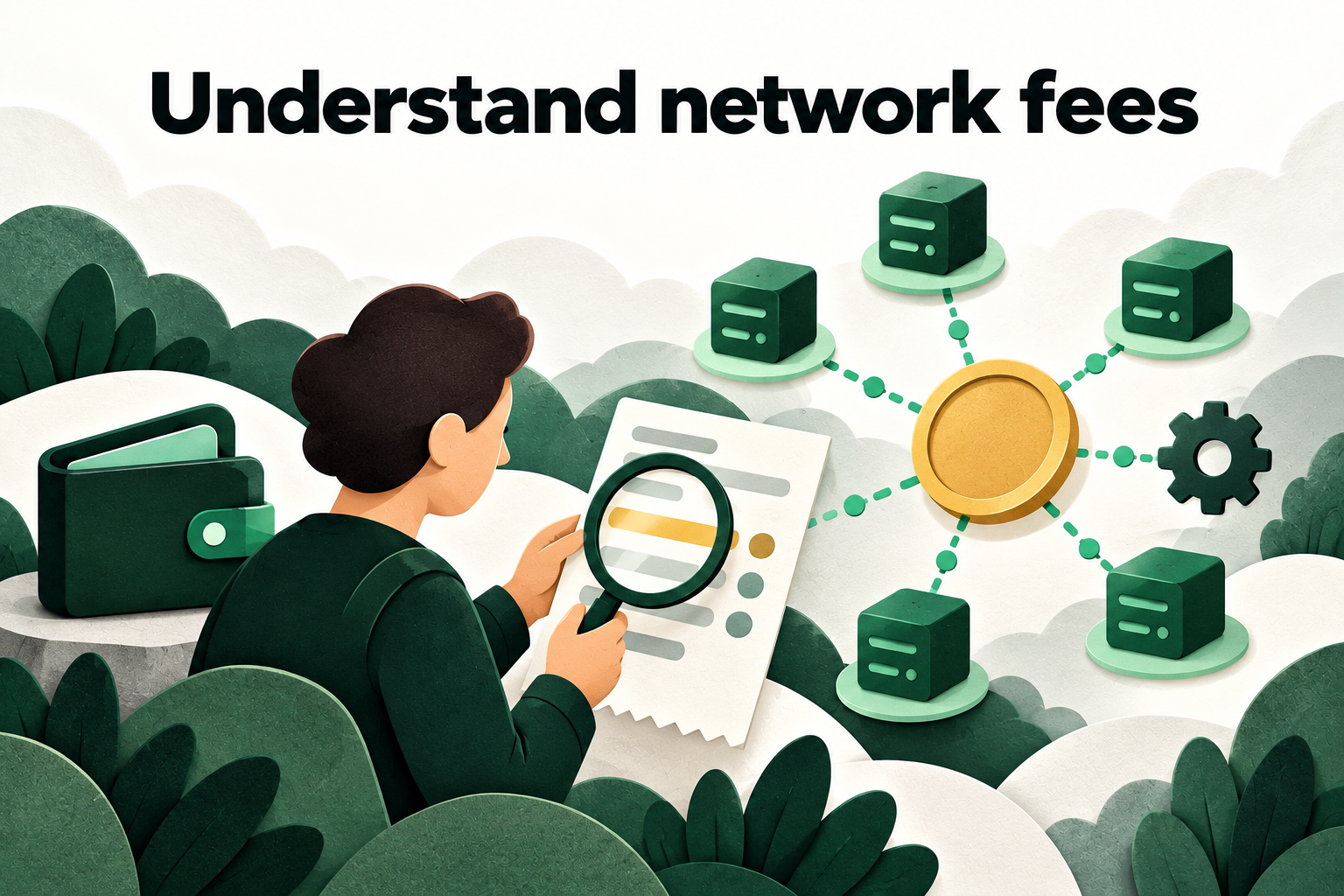
You are about to send a token and your wallet shows another amount: the network fee. It can be small, surprisingly large or different from the estimate you saw earlier. Before comparing prices, separate what you are sending from the cost of processing the action.
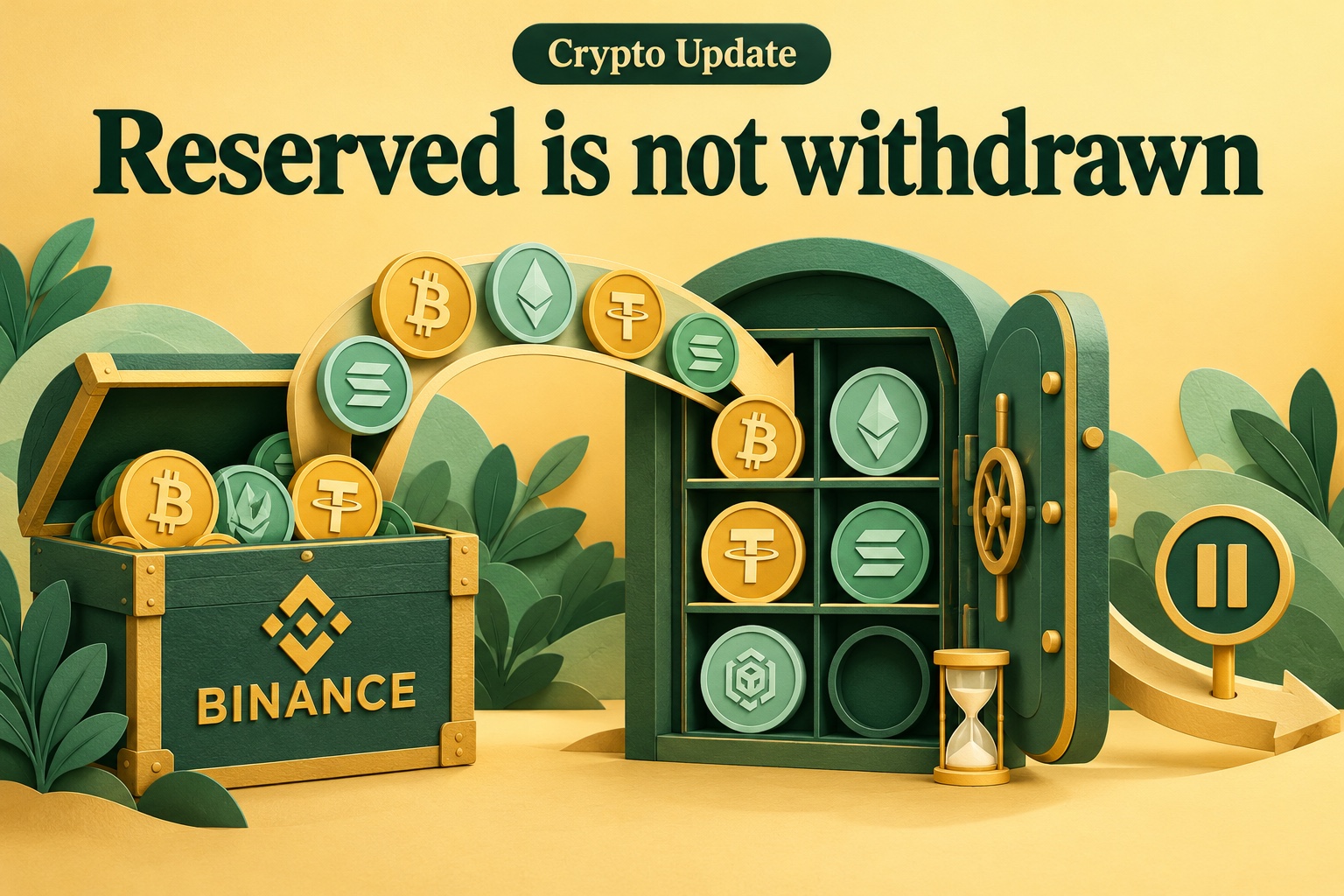
A large amount sounds reassuring. Yet reserving money, holding the right cryptocurrencies and letting customers withdraw are three different steps. Binance’s new statement makes that distinction worth understanding.
An initial explanation is not the complete answer. Binance now says it has found additional breach points beyond the previously mentioned laptop. What does that new information mean if you want to use your crypto?
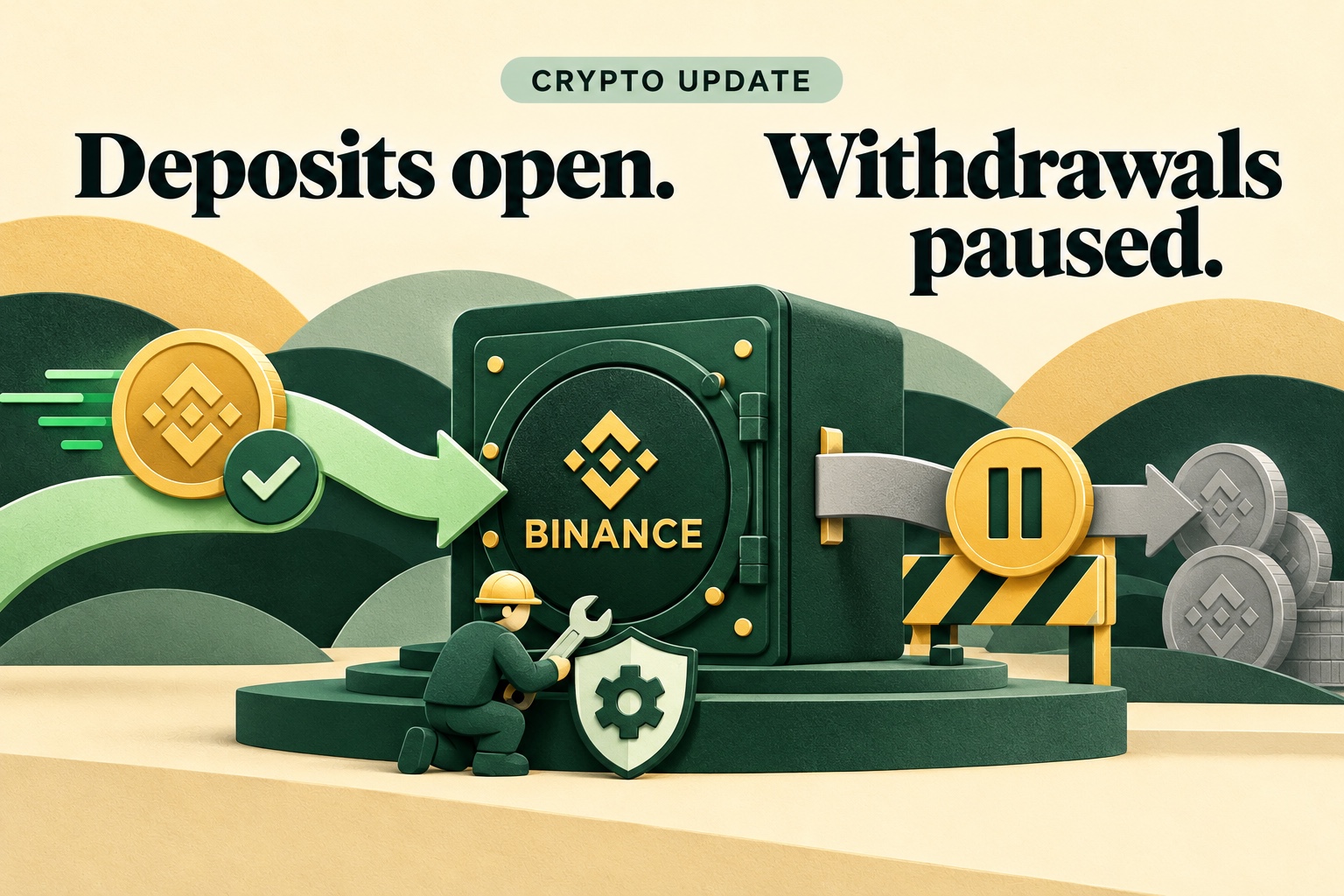
Sending money to a platform and taking it back out are different things. Binance now clarifies that deposits operate normally while withdrawals remain paused. That distinction matters when you want access to your crypto.
Binance is investigating a security incident and promises to cover losses. Withdrawals remain paused; the newer service update says deposits work normally. Here is what the initial reports mean and what remains uncertain.
A digital token can refer to a bond, a commodity or a building. But a picture in an app does not tell you what you own. With tokenisation, the terms behind the digital record matter as much as the technology.
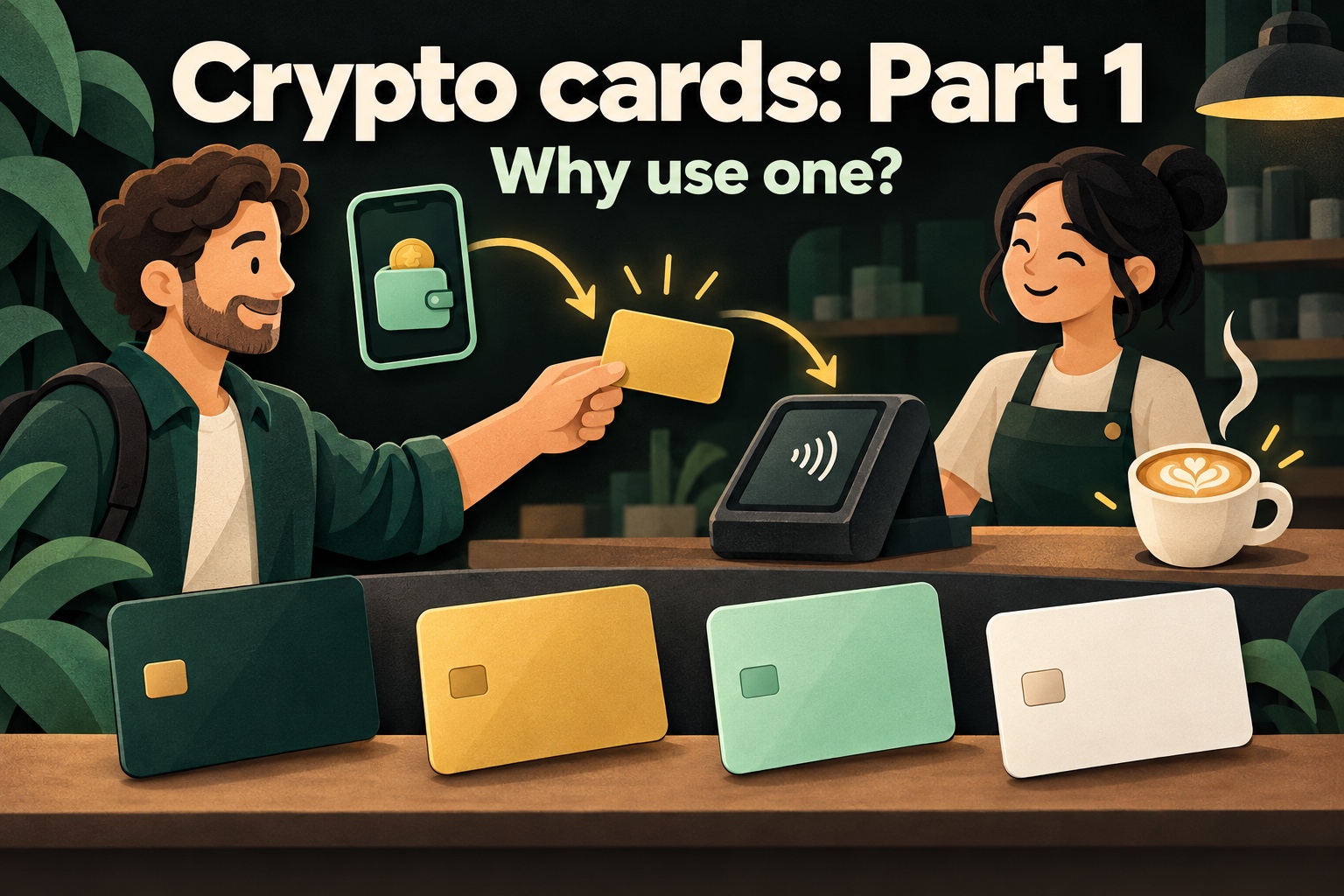
A crypto card can connect money you already hold in crypto to an ordinary purchase. But what problem does it solve, and how do the cards differ? We start with the first four names in CoinGecko’s overview: Nexo, COCA, Bitget Wallet Card and Brighty.
A website asks to connect your wallet. Another request follows: approve, sign or choose a spending limit. Those are different actions. Understanding the permission matters more than quickly reaching the next screen.
Copying a wallet address can feel like copying a bank account number. With crypto, there is another important choice: the network used for the transfer. The address and the route both need to work for the receiving side.
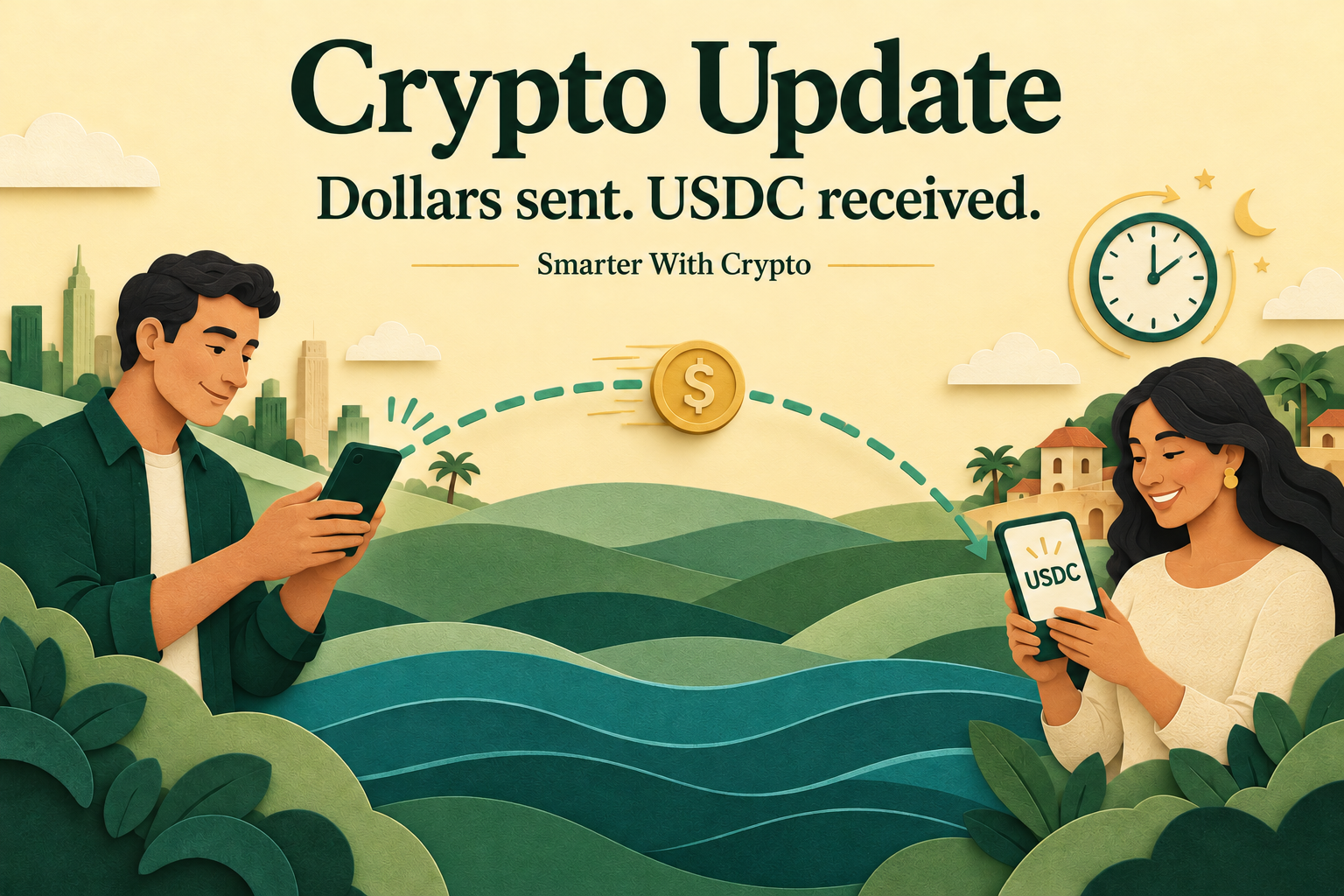
A new MAJORITY and zerohash announcement puts stablecoins inside a familiar task: sending money to family. The useful question is what arrives, and how the recipient can use it.
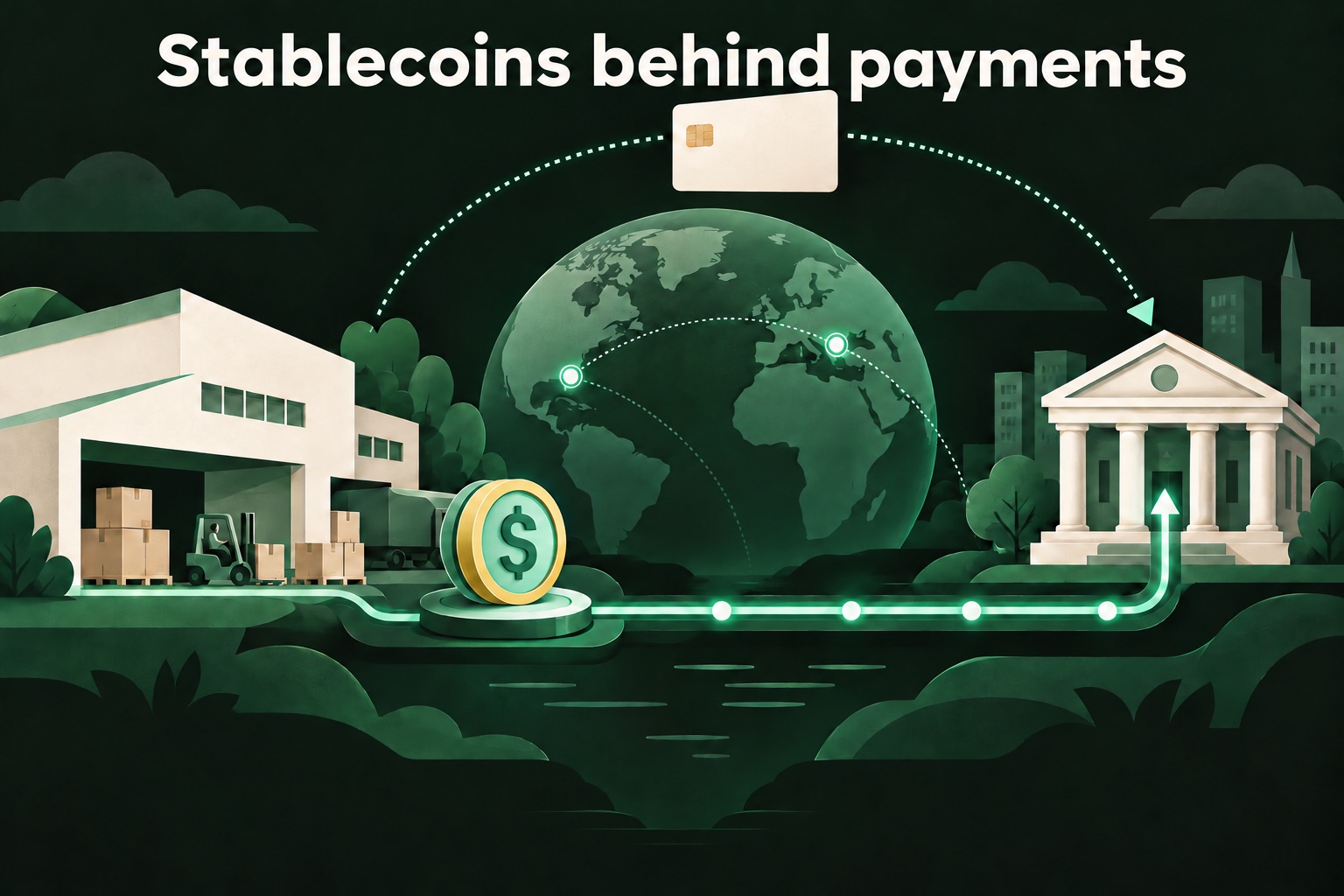
When you send money abroad, you care about when it arrives and what it costs. You probably spend less time thinking about how the payment company funds that transfer. That hidden step is where stablecoins can play a role.
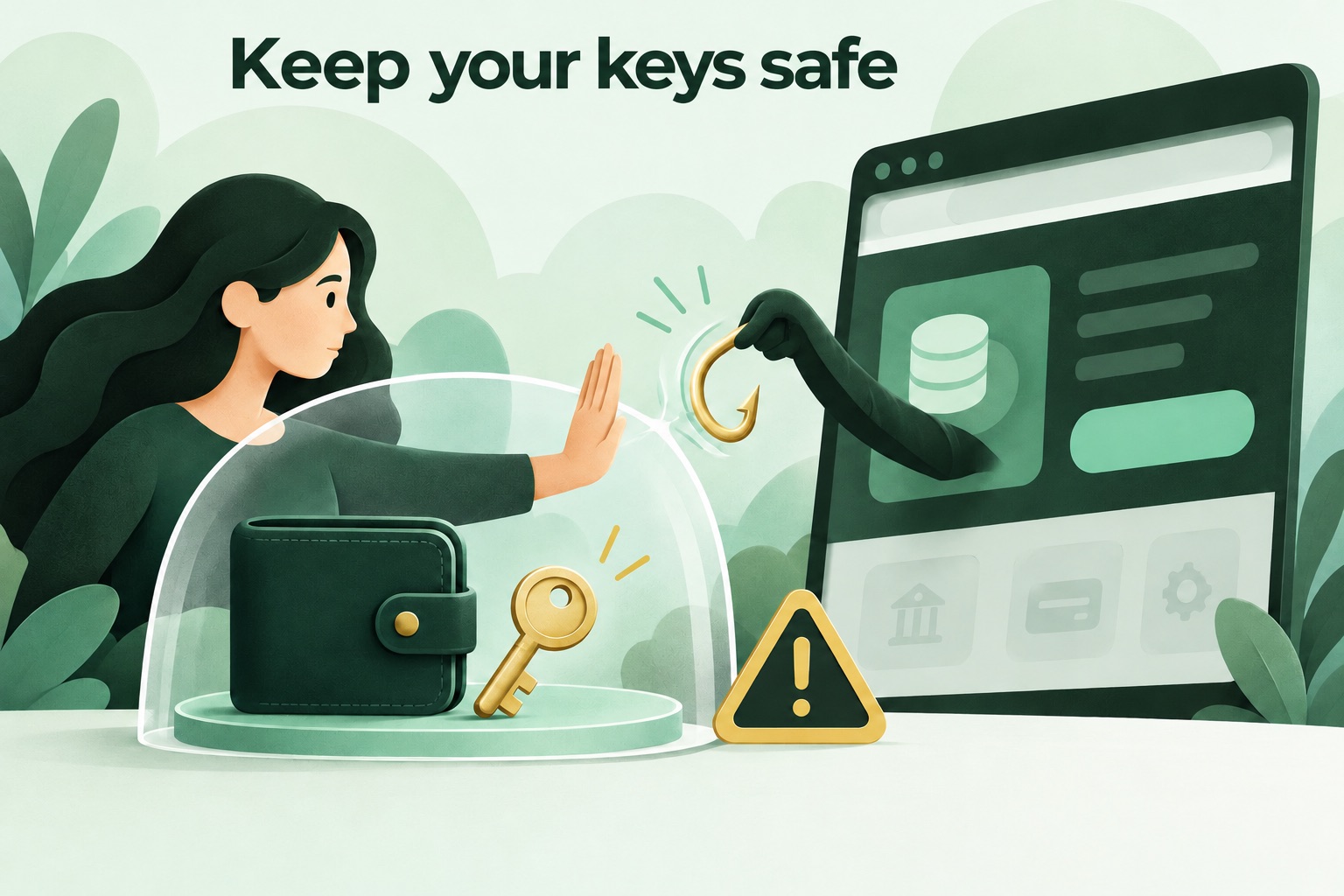
A promise to protect your money can sound reassuring. Before you trust an unfamiliar crypto service, take a moment to understand what it wants you to hand over. A useful question is: who would control my money afterwards?
You don’t need to become a technology expert to understand crypto. A few useful basics can help you ask better questions, spot mistakes and feel less rushed. WelcomeToWeb3 is a free, independent place to begin.